Your shopping bag is empty.
Explore productsBuyer guides
What Does 925 Italy Mean on Jewelry? Sterling Silver Marks Explained
By Alex Hou, Founder, AdornTrade 2026-10-02 9 min read
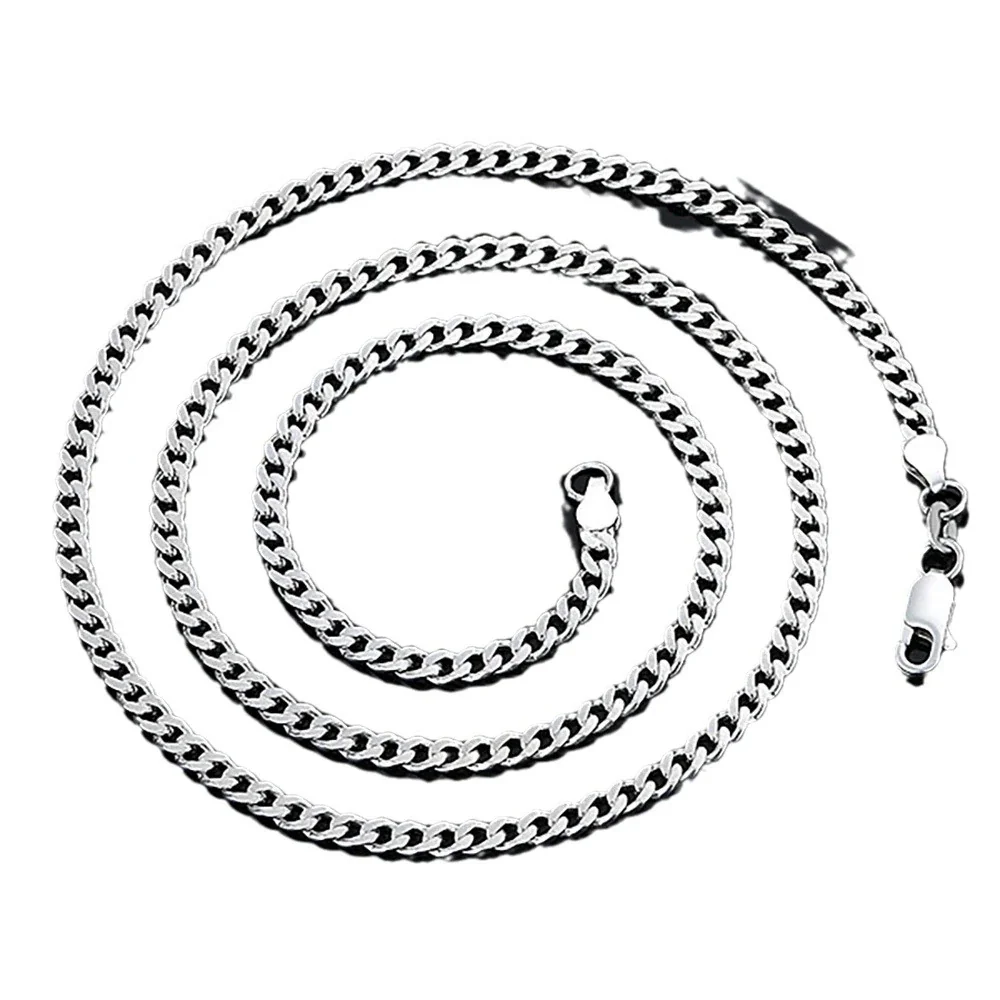
"925 Italy" on a piece of jewelry is two claims stamped side by side. 925 is a fineness mark: the metal is 925 parts silver per 1,000, which is sterling silver. Italy is an origin claim: whoever struck the stamp is saying the piece was made in Italy. The combination is not the mark Italian law asks for. Italian law requires the fineness number together with an identification mark, a five-pointed star with a maker number and a province code, and the word "Italy" is part of neither. This page explains the stamp, how it compares with the other sterling silver markings a retailer will see (925, S925, Sterling, STER, Ag925 and the UK hallmark), and how to explain each one to a customer in one sentence.
What does 925 Italy mean on jewelry?
Sterling silver is an alloy of 92.5% silver and 7.5% other metals, usually copper. Pure silver is too soft for most jewelry, and copper adds the hardness a chain link or ring shank needs. "925" is that 92.5% written in parts per thousand, the way precious metal fineness is expressed almost everywhere.
So a chain stamped "925 Italy" claims:
- Metal: at least 925/1,000 silver, i.e. sterling silver.
- Origin: made in Italy.
A 925 Italy stamp is only as good as whoever applied it. A stamp is a statement, not a measurement, and a punch reading "925 Italy" costs the same to make in any country.
The mark Italian law actually requires
Italian precious metal marking is governed by Legislative Decree 251 of 22 May 1999 and its implementing regulation, Presidential Decree 150 of 30 May 2002. Under that framework an article of precious metal must carry two marks before it is put on sale, both impressed on the main part of the piece:
- The fineness in thousandths. For silver the legal finenesses are 925 and 800. The old 835 standard is no longer a legal title.
- The identification mark (marchio di identificazione): a polygon containing a five-pointed star, a number that identifies the registered manufacturer, and the abbreviation of the province where that firm is based. A mark reading "★ 123 AR", for example, would point to firm number 123 in the province of Arezzo.
The identification mark is assigned to a firm through the Italian chambers of commerce, which keep the register of assignees. That gives the system its value: the star mark names a specific registered company that answers for the declared fineness. "Italy" names nobody.
What this means at the counter: a piece stamped "925" with a star-number-province mark is marked the way Italian law describes. A piece stamped only "925 Italy" carries a fineness claim and an origin claim, and nothing in the stamp says who made it.
Sterling silver markings and what each one means
| Mark | What it claims | Where you will usually see it |
|---|---|---|
| 925, .925, 92.5 | 925/1,000 silver (sterling) | Worldwide; the most common silver mark |
| Sterling, Ster., STER | At least 925/1,000 silver | US and UK-made pieces |
| 925 Italy | 925/1,000 silver, plus a made-in-Italy claim | Chains and chain bracelets |
| 925 + ★ number + province code | 925/1,000 silver, plus a registered Italian maker | Italian-made pieces marked under Italian law |
| S925 | 925/1,000 silver; S stands for silver | Pieces made in China |
| Ag925 | 925/1,000 silver; Ag is the chemical symbol for silver | Pieces made in China and elsewhere |
| 800 | 800/1,000 silver: real silver, but below sterling | European pieces; 800 is still a legal Italian silver standard |
| 958 (Britannia), 999 (fine silver) | Higher silver content than sterling | UK hallmarks; bullion-style pieces |
| Sponsor's mark + 925 + assay office mark | A UK hallmark: tested and marked by an assay office | Pieces sold in the UK above the exemption weight |
The pattern behind all of them is the same: a number in parts per thousand, sometimes with a letter or word for the metal, sometimes with a maker's or assay office's mark beside it. The number is the part to read first. The rest tells you who is vouching for it.
Sterling silver identification: silver marks by country, and who checks them
How much a 925 stamp tells you depends on the country the piece was sold in, because the rules about who applies and checks the mark differ sharply.
- United States. There is no compulsory assay office. Federal law makes the stamp itself the commitment: an article marked "sterling" or "sterling silver" must contain 925/1,000 pure silver, with a tolerance of 4/1,000 (15 U.S.C. § 296). Whoever applies a quality mark such as "925" or "sterling" must also apply their trademark, registered or applied for in the United States, in the same way, in lettering at least as large and as close to the quality mark as possible (15 U.S.C. § 297). The FTC's Jewelry Guides add that "Sterling Silver", "Sterling" or "Ster." may only be used for a product that is at least 925/1,000ths pure silver, and that silver-coated products must be described as coated.
- United Kingdom. Under the Hallmarking Act 1973 it is illegal to sell or describe an item as silver unless it is hallmarked, with an exemption for silver articles of 7.78 grams or less. A UK hallmark has three compulsory parts: a sponsor's mark, a fineness mark (800, 925, 958 or 999 for silver) and an assay office mark. The British Hallmarking Council's own notice adds that a UK hallmark is proof of fineness, not proof of origin or place of manufacture.
- Italy. Fineness plus the star identification mark, as above. The responsibility sits with the registered maker named by the mark.
- China. National standard GB/T 11887-2012 sets the silver finenesses at 800, 925, 990 and 999, and requires a jewelry mark to state the manufacturer code, the material and the fineness. Gold is written as a letter or word plus the number (G750, Au750); silver follows the same pattern, which is where S925 and Ag925 come from.
- Hallmarking Convention countries. Signatory countries recognise a Common Control Mark, a fineness number inside a scales-shaped outline, applied by a qualifying assay office after testing.
The practical reading for a US or EU retailer: a "925" stamp is a declaration by whoever made or marked the piece. Its weight comes from the name standing behind it, which is why the US rules require a trademark beside the quality mark and the Italian rules require a registered maker number.
How to explain 925 marks to a customer
Customers ask about stamps because they have read that "925 means real silver" and want to know if this piece is. One-sentence answers that are accurate and do not overclaim:
- "925": "It's marked as sterling silver: 92.5% silver, with a little copper for strength."
- "S925": "Same thing, sterling silver; S925 is the way it's written on pieces made in China."
- "925 Italy": "It's marked as sterling silver and as made in Italy." Say it only if the origin is true for the piece you are selling.
- "800": "That's 80% silver, real silver but a lower standard than sterling."
- No stamp: very small pieces, thin chains and earring posts are often left unstamped because there is no room for a legible mark. Describe the metal from your supplier's records rather than from the stamp.
Two rules keep a shop out of trouble. First, describe origin from your own purchase records, not from a stamp you did not apply: if you bought the stock from a factory in Guangzhou, do not call it Italian because one supplier's punch said so. Second, keep "sterling" for pieces that are sterling throughout. A silver-plated brass chain stamped "925" on its clasp is still a plated chain, and the FTC Guides require it to be described as coated.
How AdornTrade lists 925 silver
Every 925 silver piece on AdornTrade is listed only when the supplier's own source record states 925 or S925; anything vaguer stays off the shelf. On 2 October 2026 we checked how those 764 published pieces (324 in the 925 sterling silver family and 440 moissanite pieces set in 925 silver) are labelled at source:
| How the supplier's source title states the metal | Pieces | Share |
|---|---|---|
| Writes "S925" | 612 | 80.1% |
| Writes "925" without the S | 145 | 19.0% |
| States 925 in the specification fields rather than the title | 7 | 0.9% |
All of them come from manufacturers in China, and their source records describe the metal as S925 or 925. When you resell them, describe them as 925 sterling silver made in China, which is exactly what those records say. The live range is on the 925 sterling silver and moissanite on 925 silver shelves, currently 627 and 415 pieces. For the checks we recommend on any 925 supplier, including us, see how to check a 925 sterling silver wholesale listing before you order.
FAQ
Is 925 Italy real silver?
The stamp claims it is: 925 means 92.5% silver, which is sterling. Whether the claim is true depends on who struck the stamp, since "925 Italy" does not identify the maker. A piece marked under Italian law also carries a star, a maker number and a province code.
What is the difference between 925 and S925?
None in the metal. Both mean 925/1,000 silver. S925 is the form Chinese manufacturers use, following the letter-plus-number pattern of China's GB/T 11887 standard.
What does the star on Italian silver mean?
It is part of the Italian identification mark: a five-pointed star, the registered number of the manufacturer and the abbreviation of its province, inside a polygon outline.
Is 925 Italy jewelry worth more than other 925 silver?
Not because of the metal. The silver content of any genuine 925 piece is the same 92.5%. Price differences come from design, chain construction, weight and brand.
What does 925 mean on a ring with a stone?
It describes the metal only. A moissanite or cubic zirconia ring stamped 925 has a sterling silver band; the stone is described separately.
Accuracy reviewed by: Alex Hou, Founder, AdornTrade
Sources
- 16 CFR § 23.5 — FTC Jewelry Guides: Misrepresentation as to silver content (Sterling/Ster. only if at least 925/1,000 pure silver; coated products must be qualified)
- 15 U.S.C. § 296 — Standard of fineness of silver articles (sterling = 925/1000; 4/1000 divergence allowed)
- 15 U.S.C. § 297 — Trademark required alongside quality marks on gold and silver articles
- Camera di Commercio della Basilicata — Metalli preziosi (marchio di identificazione: poligonale con stella a cinque punte, numero, sigla della provincia; titoli argento 925 e 800)
- Camera dei deputati — Titoli e marchi di identificazione dei metalli preziosi (D.Lgs. 251/1999)
- Camera di Commercio del Molise — Metalli preziosi (D.Lgs. 251/1999, DPR 150/2002; marchio e titolo devono essere impressi sugli oggetti)
- British Hallmarking Council — Dealer's Notice under the Hallmarking Act 1973 (three compulsory marks; silver exemption 7.78 g; fineness 800/925/958/999; not proof of origin)
- GB/T 11887-2012 Jewellery — Fineness of precious metal alloys and designation (English excerpt: silver 800/925/990/999; marking content)
- Wikipedia — Sterling silver (92.5% silver, 7.5% other metals, usually copper; marks 925, Sterling, STER)
- Wikipedia — Hallmark (Convention on hallmarks and the Common Control Mark)
From the catalogue